Cute Little Lamb: A Designer's Review for Real Projects
When I first opened the Cute Little Lamb file on my screen, the immediate impression was one of softness. In the world of machine embroidery design, not every animal motif lands with the same gentle impact. Some feel too rigid, others too cartoonish, but this one strikes a balance that feels genuinely sweet without being childish. As a designer who spends hours tweaking stitch paths and selecting threads, I look for files that do half the work for me by having a strong visual foundation. This design, categorized under Baby Animals, offers exactly that kind of reliable charm, making it a prime candidate for anyone looking to elevate their embroidery project portfolio.
First Impressions and Visual Personality
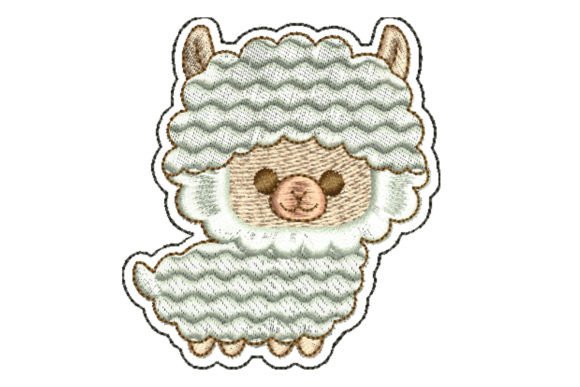
The layout of the Cute Little Lamb suggests a design built for clarity. The shapes are distinct, avoiding overly complex intersections that often cause thread breaks or bird nests in smaller hoops. The mood it creates is inherently calming, which is why the product description rightly points to nursery decor. However, limiting this design only to baby rooms would be a mistake. The simplicity of the lines allows it to translate well across various mediums. Whether you are aiming for a rustic farmhouse aesthetic or a modern boutique look, the visual personality of this lamb is versatile enough to adapt, provided you make smart choices with your thread colors.
From a technical standpoint, the balance between satin stitch outlines and fill stitch bodies appears well-considered. In many generic files, the fill density is too high, leading to stiff patches that crack after washing. While I cannot verify the exact stitch count without running the file, the visual preview suggests a moderate density that should remain soft on garments. This is crucial for items like baby onesies or lightweight tees where comfort is paramount.
Real-World Application: The Boutique Sweatshirt Test
To truly evaluate an embroidery file, I mentally run it through a real-life scenario. Imagine a small shop owner preparing a limited run of spring collection sweatshirts. They need a design that sells itself. The Cute Little Lamb fits perfectly here. Placed on the left chest of a heather grey crewneck, it acts as a subtle brand marker or a seasonal accent. Unlike large back prints, this smaller motif invites closer inspection, adding a touch of handmade value to the finished product.
For an Etsy seller, this design could be the star of a "Spring Farm" collection. Think embroidered tote bags paired with matching kitchen towels. The design's clean edges mean it will look crisp even on textured canvas, a common material for tote bag design. When customers see such a well-executed handmade product, their trust in the creator's skill increases. It signals that the seller cares about quality, not just churning out generic items. This level of detail directly influences buyer engagement and can justify a higher price point for your small shop product.
Navigating Fabric Challenges and Hoop Limitations
While the design is promising, practical application requires caution. Not every fabric is a friend to every design. If you plan to use the Cute Little Lamb on stretchy knits for sweatshirt embroidery or baby clothes, your choice of stabilizer becomes the most critical variable. A cut-away stabilizer is likely necessary to prevent the design from puckering over time, especially if the lamb features dense fill areas.
Furthermore, consider the hoop size. If this design pushes the limits of a 4x4 hoop, stitching it on curved surfaces like caps becomes risky. The frame might not sit flat, leading to registration errors. For custom apparel like hats, I always recommend testing the file on a scrap piece of the actual cap material first. Textured fabrics, such as heavy linen or waffle weave, can also obscure fine details. If the lamb has tiny facial features rendered in running stitch, they might get lost in the weave of a rough towel. In those cases, simplifying the color palette or increasing the contrast can help maintain visibility.
Maximizing Commercial Value and Brand Consistency
For those operating a craft business, consistency is key. Using a cohesive set of design assets helps build a recognizable brand. The Cute Little Lamb works beautifully as part of a series. Pair it with other farm animals or floral elements to create themed bundles for holiday embroidery projects, such as Easter gifts or baby shower presents. The ability to scale this design for different applications—from a tiny embroidered patch to a larger pillow cover—adds significant value to your inventory.
However, before listing items for sale, you must address the licensing. Just because a file looks great doesn't mean it is cleared for commercial embroidery. Always review the terms provided with the download. If you intend to sell the digital embroidery file itself, that is almost certainly prohibited unless explicitly stated. Selling the physical personalized gift or finished garment is usually the intended use, but verifying this protects your business from legal issues.
Final Designer Notes for Success
Before committing to a production run, treat every new file with skepticism until proven otherwise. Here is my checklist for integrating the Cute Little Lamb into your workflow:
- Test on scraps: Never stitch a client's garment first. Use similar weight and texture fabric to check for puckering.
- Check color contrast: View the design in black and white mockups to ensure the details pop without relying solely on color.
- Inspect small details: Zoom in on the eyes and hooves. If they look too dense, consider editing the stitch count in your software.
- Verify hoop compatibility: Ensure the design fits your available hoops without needing excessive re-hooping.
- Confirm licensing: Double-check if the license allows for unlimited finished goods or if there is a cap on sales.
In conclusion, the Cute Little Lamb is a solid addition to any designer's library. It bridges the gap between cute aesthetics and practical stitchability. Whether you are creating a personalized gift for a friend or stocking shelves for your online store, this design offers the reliability needed for professional results. By respecting the limitations of your materials and taking the time to test, you can ensure that every lamb you stitch brings the intended joy and quality to your customers.