Cute Bunny Baby: A Pro Review for Small Business Merch
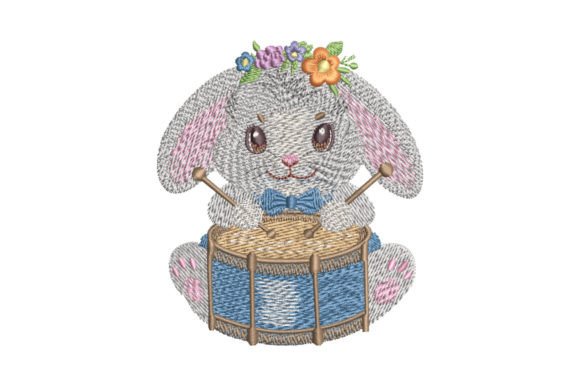
As an embroidery designer who has spent years digitizing and reviewing files for commercial use, I approach every new machine embroidery design with a critical eye. It is not just about whether a motif looks pretty on a screen; it is about how that digital embroidery file translates into a tangible asset for a brand. When I first opened the Cute Bunny Baby design, my immediate thought was not just about baby blankets, but about its potential as a versatile element for small business merchandise. While the product description highlights its suitability for cozy onesies and baby animals, I wanted to dig deeper. Could this playful stitch work hold up on a barista's apron? Would it function as a charming patch for a boutique tote bag? This review breaks down the real-world application of Cute Bunny Baby for entrepreneurs, apparel decorators, and handmade brands.
First Impressions: Visual Personality and Brand Fit
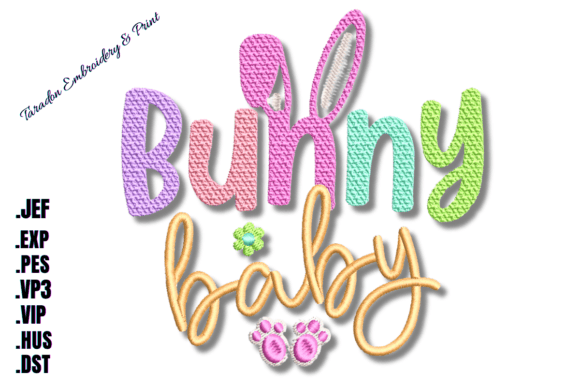
The initial visual impact of Cute Bunny Baby is undeniably warm and inviting. The description notes "intricate yet playful stitches," which suggests a balance between detail and approachability. In the context of brand identity, this design leans heavily into the friendly, handmade, and premium aesthetic. It does not scream corporate or industrial; instead, it whispers care and craftsmanship. For a local bakery, a florist, or a creative studio looking to soften their image, this design is a goldmine. It feels rustic enough for a farmers' market stall but polished enough for a high-end children's boutique. The "sweetness" mentioned in the brief is a powerful emotional hook. When customers see this level of detail on a finished product, it subconsciously signals that the business owner cares about quality, thereby boosting customer trust and perceived product value.
Real-World Applications Beyond the Nursery
While Cute Bunny Baby fits naturally within the Baby Animals category, limiting it to infant wear would be a missed opportunity for small business merch. Let us consider a few specific scenarios where this design shines as a commercial asset:
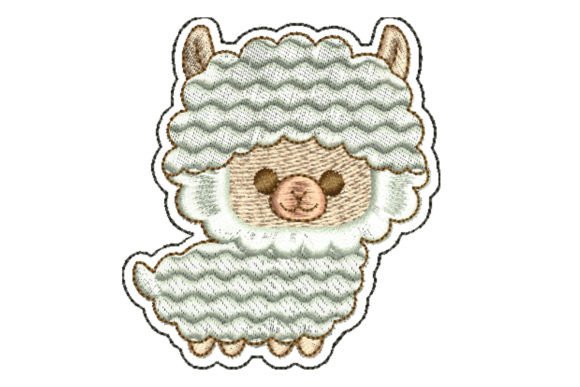
- Embroidered Patches: This is perhaps the strongest use case. An embroidered patch featuring this bunny can be sewn onto denim jackets, canvas backpacks, or even pet bandanas for a pet brand. Patches allow for mobility; a customer can buy the patch separately as an add-on, increasing average order value.
- Staff Uniforms and Aprons: For a café or ice cream shop, placing Cute Bunny Baby on the chest pocket of an apron embroidery project adds a whimsical touch that engages customers. It breaks the monotony of standard uniforms and makes staff appear more approachable.
- Tote Bags and Packaging: As a tote bag design, this motif serves as a walking advertisement. Unlike a large back print, a smaller, intricate bunny on the corner of a reusable bag feels exclusive and stylish. It can also serve as a branded accent on fabric packaging for other handmade goods.
- Cap Embroidery: Placing this design on the side panel or even the front of a dad hat can create a signature look for a brand. However, this requires careful attention to the curve of the cap, which we will discuss shortly.
The versatility of Cute Bunny Baby lies in its ability to act as a "brand mascot" without being overpowering. It works exceptionally well for event merch, such as Easter pop-up shops or spring craft fairs, providing a seasonal yet timeless element to custom apparel.
Technical Considerations for Commercial Production
Transitioning from a concept to a physical handmade product requires rigorous technical evaluation. The description mentions "intricate" stitches, which is a double-edged sword in commercial embroidery. High detail can look stunning, but it introduces risks if not managed correctly. Here are the critical areas where you must exercise caution when deploying Cute Bunny Baby:
Size and Stitch Density: If you intend to use this as a small patch or a sleeve detail, you must verify the stitch density. Intricate designs often suffer when scaled down; fine lines can merge, and small details can become indistinguishable blobs of thread. Before running a production batch, test the design at your intended minimum size. If the original file is too dense for small applications, you may need to request a simplified version or adjust the pull compensation.
Fabric Texture and Contrast: The success of this design relies heavily on thread colors contrasting against the base material. On dark uniforms or textured fabrics like heavy canvas or terry cloth, the finer details of the bunny might get lost. Always run a test stitch-out on the exact fabric you plan to sell. A design that looks crisp on poly-cotton might sink into a fluffy towel or get distorted on a ribbed knit.
Curved Surfaces: For cap embroidery, the curvature of the front panel can distort circular or wide designs. Ensure the hoop size matches the available space on the cap without crowding the seams. If the design is too wide, it may pucker or cause the cap to sit incorrectly on the head.
Enhancing Brand Identity and Customer Engagement
In the crowded marketplace of Etsy sellers and craft businesses, visual consistency is key. Cute Bunny Baby offers a unique opportunity to create a cohesive visual language. By using this single motif across various design assets—from hang tags to embroidered labels—you create a recognizable brand signature. This consistency fosters recognition; a customer sees the bunny on a social media post, then recognizes it immediately on a physical product, reinforcing brand recall.
Furthermore, the "warmth and joy" inherent in the design directly influence buyer engagement. In an era where consumers crave authenticity, a visibly embroidered item feels more valuable than a screen-printed one. The texture of the threads invites touch, creating a sensory experience that digital mockups cannot replicate. When used as a customer gift or a loyalty reward, this design elevates the perceived generosity and thoughtfulness of the business.
Essential Designer Notes for Production
Before committing to a large run of Cute Bunny Baby for your shop, adhere to these professional best practices to ensure quality control:
- Test in Black and White: Before selecting your vibrant brand colors, stitch the design out in black thread on white fabric (and vice versa). This reveals the true structure of the stitching and highlights any spacing issues that color might hide.
- Verify Hoop Size and Stabilizer: Confirm the required hoop size against your machine's capabilities. More importantly, select the correct stabilizer. For stretchy fabrics like onesies, a cut-away stabilizer is often necessary to prevent distortion over time, whereas tear-away might suffice for woven tote bags.
- Create a Printable Mockup: Generate a printable mockup to show clients or stakeholders exactly how the design will look on different garments. This manages expectations and secures approval before thread is ever loaded.
- Check Licensing Terms: Crucially, confirm the commercial licensing terms of the embroidery file. Just because a design is available for purchase does not automatically grant rights for unlimited commercial reproduction. Ensure you are cleared for commercial embroidery use before selling products featuring Cute Bunny Baby.
- Compare Alongside Other Assets: Place the stitched sample next to your logo and other branding elements. Does the style of the bunny clash with your primary logo, or does it complement it? Visual harmony is essential for a professional presentation.
In conclusion, Cute Bunny Baby is more than just a cute graphic for baby clothes. With careful technical execution and strategic placement, it serves as a powerful tool for small business owners to enhance their brand identity. Whether adorning a staff apron, embellishing a tote bag, or serving as a standalone patch, this design brings a level of artisanal charm that resonates with modern consumers. By respecting the technical limitations regarding size and fabric, and by leveraging its emotional appeal, you can turn this simple embroidery pattern into a significant driver of brand loyalty and sales.