Reviewing Number Six with Heart for Craft Fair Success
As an experienced embroidery designer preparing for a busy weekend at the local craft fair, my table needs to tell a story. It isn't just about having items to sell; it is about curating a collection that stops browsers in their tracks. This week, I am evaluating a specific machine embroidery design titled Number Six with Heart. At first glance, this piece feels like the perfect bridge between modern minimalism and rustic charm. It carries a whimsical energy that fits perfectly into the current trend of personalized home goods, making it a strong contender for my Valentine S Day lineup as well as year-round sales.
First Impressions and Aesthetic Appeal
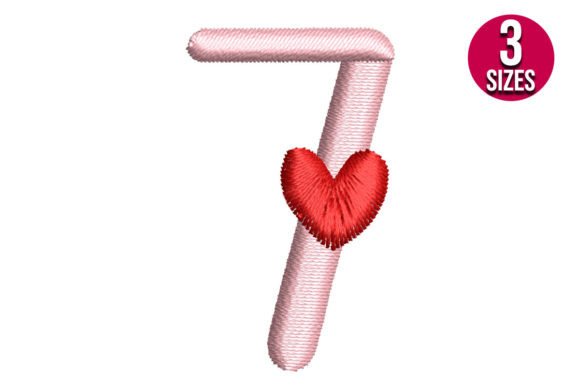
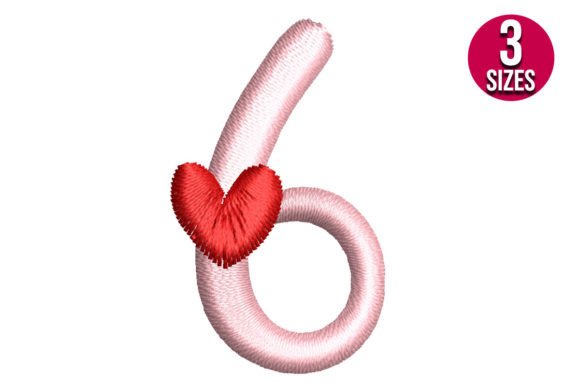
When I pulled up the preview of Number Six with Heart, the immediate vibe was soft yet bold. The combination of a numeric digit with a heart symbol creates a visual language that speaks to personalization without being overly complicated. It feels decorative and premium, avoiding the cluttered look that sometimes plagues digital files. For a handmade product line, clarity is king. Customers walking past a booth have seconds to decide if something catches their eye. This design works because it is instantly understandable. It suggests customization—perhaps a house number, a lucky number, or a significant date—which triggers an emotional connection with potential buyers.
The style leans heavily into the farmhouse and boutique aesthetic. It is not too formal, which makes it versatile enough for kitchen linens, but it has enough structure to look elegant on a tote bag. As a designer, I appreciate that it doesn't rely on tiny, fragile details that might get lost in translation when stitched out on textured materials.
Strategic Product Placement for Maximum Sales
In planning my booth display, I am mentally placing Number Six with Heart on several key items to gauge its impact. Here is how I see this embroidery file performing across different craft fair products:
- Tote Bags and Market Bags: This is likely the strongest application. A large hoop placement on a natural canvas tote allows the design to breathe. As a tote bag design, it serves as a statement piece. Shoppers love bags that feel custom-made, and adding a number makes it feel exclusive to them.
- Aprons and Tea Towels: For the kitchen section of my booth, this design shines as apron embroidery or tea towel embroidery. Placed on the bib of an apron or the hem of a flour sack towel, it adds that necessary touch of whimsy mentioned in the product description. It transforms a utility item into a giftable treasure.
- Patches and Pouches: If I stitch this onto a twill backing to create an embroided patch, it becomes a versatile add-on sale. Customers can buy the patch to iron onto jackets or hats later. Similarly, on small fabric pouches, it acts as a charming focal point for cosmetic bags or coin purses.
- Pillow Covers: Home decor is a high-margin category. Stitching this onto a linen pillow cover elevates the perceived value. It looks intentional and designed, rather than just a random graphic.
Production Practicality and Batch Efficiency
For a small shop owner or Etsy seller, time is money. One of the most critical factors in reviewing Number Six with Heart is its repeatability. The design appears to have a logical stitch path that should minimize thread breaks and trim times. When preparing for a fair, I need designs that I can run in batches. If the stitch density is balanced, I can stack multiple hoops or run continuous jobs while managing other aspects of the booth setup.
Photography is another crucial element for online listings. This design photographs exceptionally well because of its clean lines. Whether I am creating a printable mockup for my website or taking photos of the finished product for Instagram, the contrast between the number and the heart provides visual interest without needing complex lighting setups. It translates well into design assets for marketing materials.
Critical Considerations for Execution
While the design is promising, a professional review must address potential pitfalls. Before committing to a full production run, there are several "careful-use" notes to consider:
- Fabric Texture: The description mentions towels, which often have a looped texture. If the stitch density is too low, the fabric might peek through the stitches, reducing clarity. I must test this on actual terry cloth versus smooth cotton to ensure the edges remain crisp.
- Thread Contrast: To make the heart pop against the number six, choosing the right thread colors is vital. On dark fabrics, I may need to adjust the underlay or use a lighter thread to maintain visibility. The design's success relies on the viewer seeing the separation between the numeral and the symbol.
- Curved Surfaces: If I decide to put this on caps, the curved surface can distort the design. The number six has a closed loop that could pucker if the stabilizer isn't robust enough. This design is likely better suited for flat surfaces like pillows or bags unless the cap material is very stable.
- Sizing Limitations: While it works as a large focal design, shrinking it down for a small pocket logo might cause the details of the heart to merge with the number. I need to verify the minimum viable size before offering it as a small accent.
Designer Notes and Final Verdict
Before listing this as a commercial embroidery item or selling the digital embroidery file itself, I always follow a strict testing protocol. First, I will stitch a sample on scrap fabric that matches my intended inventory. I need to check the spacing between the number and the heart to ensure it doesn't look cramped. Confirming the hoop size requirements is also essential; if it requires a large hoop, it limits the range of products I can offer quickly at a fair.
Using the correct stabilizer is non-negotiable. For towels, a cut-away stabilizer might be necessary to prevent distortion over time, whereas a tear-away could suffice for woven pillow covers. I also need to create at least one real-world mockup to show customers exactly how the fabric texture interacts with the stitches. Seeing is believing for craft fair attendees.
Finally, a note on licensing: The product description hints at commercial use ("comes with mu..." likely implying multiple formats or licenses), but it cuts off. As a responsible business owner, I must verify the exact license terms before selling finished goods. If the license restricts commercial sales of the physical item, I can only sell the file. If it allows commercial use of the finished product, then Number Six with Heart becomes a revenue generator for my booth.
In conclusion, Number Six with Heart is a versatile, charming asset for any embroidery business. Its blend of simplicity and personalization makes it a standout small shop product. With careful attention to fabric choice and stabilization, it has the potential to be a best-seller, drawing customer attention and enhancing the overall quality of a handmade brand. Whether used for a festive Valentine S Day promotion or as a staple in a home decor collection, this design delivers the whimsy and charm that modern consumers crave.