Butterfly Line: A Playful Accent for Kids' Wear
When I first pulled up the Butterfly Line design on my screen, my immediate reaction was one of relief. In a market saturated with overly complex, dense insect motifs that often turn into thread nests on smaller hoops, this file offers a refreshing simplicity. As a designer who spends hours tweaking stitch paths and troubleshooting density issues for clients, I appreciate when a machine embroidery design respects the limitations of the hoop while still delivering visual impact. This isn't just a cute graphic; it is a practical asset for anyone looking to add a friendly, playful accent to fabric without compromising production speed or stitch quality.
The Visual Personality and First Impressions
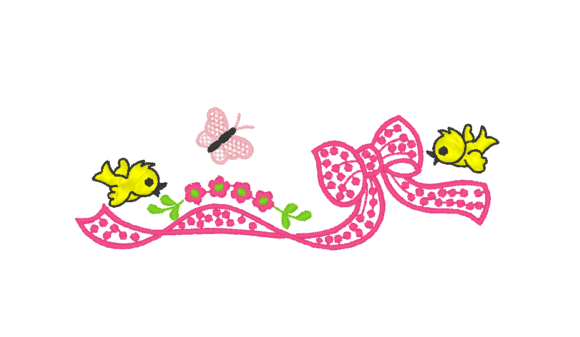
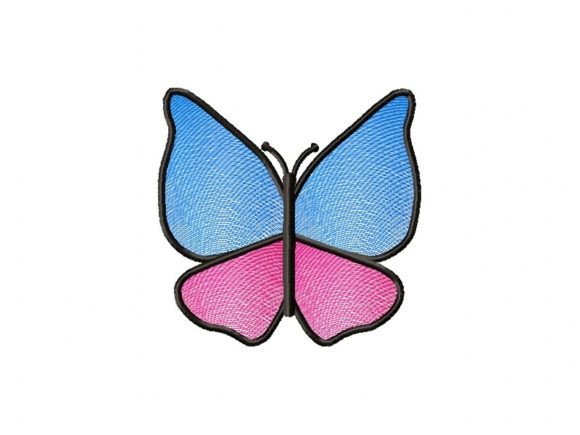
The mood of Butterfly Line is undeniably cheerful. It captures the whimsical nature of Bugs without leaning into the realistic or scientific side of entomology. The lines are clean, suggesting a balance between running stitch outlines and strategic fill stitch areas that give the wings enough body to stand out against various backgrounds. For an Etsy seller or a boutique owner, this visual personality is gold. It speaks directly to the nursery demographic, parents looking for unique baby showers, and the "cottagecore" aesthetic that has taken over social media.
What stands out most is the layout. Many insect designs suffer from awkward negative space or wings that are too wide for standard hoops. Butterfly Line feels compact yet airy. It suggests a design that will breathe well on fabric, avoiding that heavy, cardboard-like feel you get when a digitizer packs too many stitches into a small area. This makes it an excellent candidate for custom apparel where comfort is just as important as the look.
Real-World Application: The Custom Tote Bag Scenario
To truly evaluate this embroidery project, I imagined a specific real-life scenario: a rush order for a local preschool's spring fair. The client needed fifty personalized tote bags for the children. Time was tight, and the fabric was a mid-weight canvas that can be tricky if the stitch count is too high.
Butterfly Line would be the perfect centerpiece here. Because the design is described as adding a "friendly and playful accent," it fits the context of children's items perfectly. On a tote bag, this design could be stitched quickly, allowing for high-volume production. The simplicity of the line work means less thread breaks and fewer trim jumps, which is crucial when you are running a craft business and every minute counts. Furthermore, on a textured canvas, a design with clear, defined lines holds up better than one with microscopic details that get lost in the weave of the fabric.
Beyond totes, imagine this on a sweatshirt embroidery project. Fleece and French terry can swallow up fine details. However, the bold nature of this butterfly suggests it has enough presence to pop on a cozy hoodie. It transforms a plain garment into a handmade product that feels special and intentional. For a personalized gift, adding a child's name underneath in a complementary font would create a cohesive, professional-looking item that rivals big-box store quality but with a personal touch.
Navigating Fabric Challenges and Stitch Density
While Butterfly Line appears versatile, a responsible designer must consider where it might need extra care. The description highlights its suitability for children's clothing, which often involves stretchy knits or delicate cottons. When working with thin fabric or stretchy materials like jersey for baby embroidery, the choice of stabilizer becomes critical. Even a well-digitized design can pucker if the backing isn't right. I would strongly recommend using a cut-away stabilizer for garments that will undergo frequent washing, ensuring the finished product maintains its shape over time.
There is also the question of dark fabrics. If you are stitching this onto a navy blue backpack or a black cap, you need to pay close attention to thread colors. The "line" aspect of the design relies on contrast. A light pastel thread might get lost on dark material unless you utilize an underlay stitch effectively or choose a high-contrast thread palette. Always test your embroidery file on a scrap piece of the actual fabric you intend to use. This simple step saves you from ruining a client's expensive garment.
Curved surfaces, like caps, present another challenge. While the design looks flat and manageable, placing it on the front panel of a hat requires checking the hoop size compatibility. If the wingspan is too wide, it might hit the edge of the hoop or distort on the curve. Since specific dimensions aren't provided in the brief description, verifying the hoop requirements before purchasing is a non-negotiable step for professional results.
Commercial Value and Brand Consistency
For those selling digital embroidery files or finished goods, consistency is key to building trust. Butterfly Line offers a level of professionalism that enhances brand perception. A clean, crisp insect motif looks far more premium than a pixelated or poorly stitched alternative. When customers see a neat, well-executed design, they associate that quality with your entire shop. This builds buyer engagement and encourages repeat purchases.
In terms of commercial embroidery, this design serves as a great "filler" item. It's not necessarily a massive statement piece, but it works beautifully as a pocket accent on a denim jacket, a small detail on an apron, or a subtle addition to a pillow cover. These small touches often justify a higher price point because they signal attention to detail. For printable mockups used in online listings, this design photographs well because of its clear definition, making it easier to market on platforms like Instagram or Pinterest.
Designer Notes for Best Results
Before committing to a full production run with Butterfly Line, keep these practical tips in mind:
- Test on Scraps: Always stitch a sample on the same fabric weight and type you plan to use for the final product.
- Check Contrast: Ensure your thread colors stand out against the fabric, especially for the line work details.
- Review Density: If the design feels too stiff after stitching, consider reducing the fill density slightly in your editing software.
- Verify Licensing: If you are an Etsy seller or plan to sell finished items, confirm the license terms to ensure commercial use is permitted.
- Mockup Testing: View the design in black and white to check for clarity and ensure no details disappear without color cues.
- Stabilizer Selection: Match your stabilizer to the fabric texture; stretchy fabrics need robust support.
Ultimately, Butterfly Line represents the kind of reliable, charming design that every embroiderer needs in their library. It bridges the gap between fun, childish themes and professional execution. Whether you are creating a holiday embroidery gift, stocking a small shop with small shop products, or simply decorating a home item, this design delivers a friendly vibe that resonates with audiences of all ages. Just remember to do your due diligence on fabric prep and hoop sizing, and you will have a winner on your hands.